Herath - the Pandit Shivratri
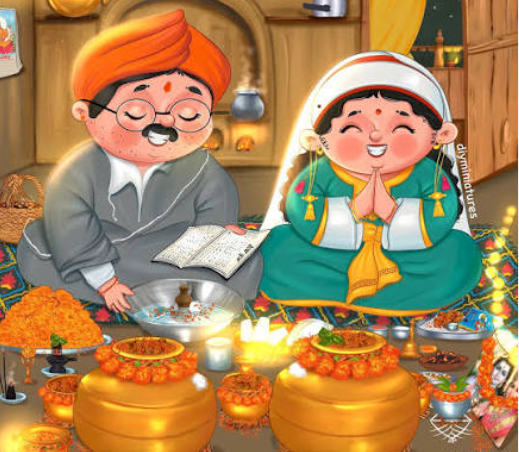
Herath (derived from Hara-ratri, or the Night of Shiva) is the most significant annual festival of the Kashmiri Pandit community. Celebrating the divine union of Lord Shiva and Goddess Parvati, Herath is a multi-day spiritual and cultural event observed during the Hindu month of Phalguna (February–March).
Key Features of Herath
Extended Festivities: Unlike the single-night observation of Maha Shivratri across much of India, Herath spans over two weeks, starting from Phalguna Krishna Ashtami and culminating on Amavasya.
Vatuk Puja: The central ritual takes place on Trayodashi (the 13th night), where water-filled earthen or brass vessels called Vatuk are installed and worshipped as representations of Lord Shiva, Goddess Parvati, and their divine entourage (Bhairavas).
Role of Walnuts: Walnuts are placed inside the water-filled Vatuk pots during prayers. Soaked throughout the rituals, they absorb the sacred energy and serve as the main prasad (holy offering).
Traditional Feast & Culinary Customs: Elaborate meals are prepared for the deity. Families offer traditional dishes like Nadru (lotus stem), cooked greens, and in many non-vegetarian households, fish or meat offered to the Bhairavas.
Salam (Day of Social Harmony): The day following Shivratri (Chaturdashi) is celebrated as Salam. It is a day of warmth and festive visits where elders give Herath Kharch (festive money) to children, and greetings are exchanged across families and neighbors.
Doon Amavasya & Roth: The festival concludes on Amavasya with Vatuk Parmuzun (ceremonial conclusion of the puja), after which the soaked walnuts and freshly baked traditional bread (Roth) are distributed to friends and relatives.